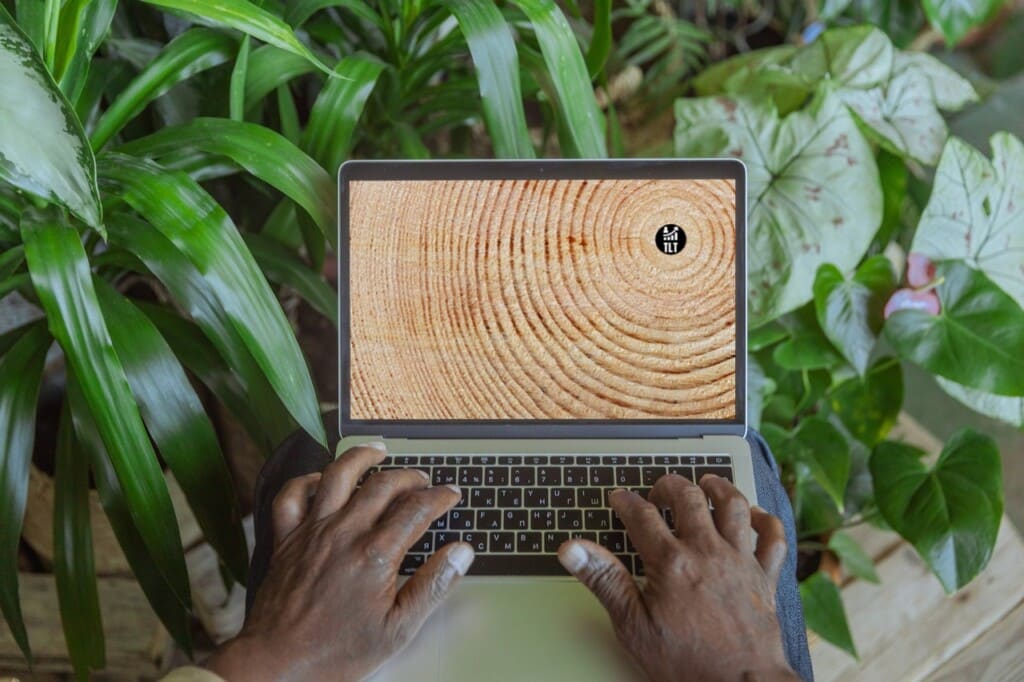
In an increasingly digital world, the quest for authenticity has led our top-level designers to explore the use of natural textures in web design.
By incorporating organic elements into backgrounds and design features, websites can evoke a sense of connection with nature, enhancing user experience and engagement.
This blog post delves into the significance of natural textures, their psychological impact, practical applications in web design, and how they foster a deeper connection between users and the digital landscape.
>>>Related post: Emphasis on Product Photography<<<
The Digital vs. The Organic
In a world dominated by sleek lines and sterile interfaces, one might wonder: where’s the warmth?
Where’s the soul? Enter natural textures, those delightful imperfections that remind us of our roots.
As we navigate through pixelated landscapes, it seems only fitting to sprinkle in some organic charm.
After all, who wouldn’t want to feel like they’re browsing a website while lounging under a tree or walking barefoot on grass?
Natural textures are more than just aesthetic choices; they are powerful tools that evoke emotions and create connections.
They bridge the gap between our digital experiences and our innate desire for authenticity and nature.
In this post, we will explore how these textures can transform web design from cold and clinical to warm and inviting.
1. Understanding Natural Textures
Natural textures refer to the visual characteristics derived from organic materials found in nature, think wood grains, stone surfaces, leaves, water ripples, and even clouds.
These elements possess unique patterns plus colours that can add depth and richness to any design.
1.1 The Psychology Behind Textures
Textures play a crucial role in human perception.
According to research published in The Journal of Environmental Psychology, natural elements can significantly enhance mood and well-being (Kaplan & Kaplan).
When users encounter natural textures online, they may subconsciously associate them with feelings of calmness and tranquillity, much like a stroll through a serene forest.
1.2 Authenticity Through Organic Elements
In an age where consumers crave transparency along with authenticity from brands, incorporating natural textures can signal honesty and integrity.
A website adorned with earthy tones or rustic finishes invites users to trust its content more readily than one that feels overly polished or artificial.
2. Practical Applications of Natural Textures in Web Design
Now that we’ve established why natural textures matter let’s dive into how they can be effectively utilized within web design.
2.1 Backgrounds That Breathe Life
Using natural textures as backgrounds is one of the most straightforward yet impactful ways to incorporate them into your designs:
-
- Wooden Backgrounds: A subtle wooden texture can create warmth on e-commerce sites selling handmade goods or artisanal products.
-
- Stone Patterns: Websites focusing on sustainability or outdoor activities could benefit from stone-like backgrounds that evoke strength and stability.
-
- Nature Imagery: High-resolution images of forests or mountains can serve as stunning backdrops for travel blogs or environmental organizations.
2.2 Buttons & UI Elements
Why stop at backgrounds?
Buttons crafted with organic textures, like rough stone or smooth pebbles, can enhance user interaction by providing tactile associations:
-
- Textured Buttons: A button designed to look like a leaf could encourage clicks by creating an association with nature.
-
- Hover Effects: Implementing hover effects that mimic changes in light on textured surfaces can provide users with delightful surprises during their interactions.
2.3 Typography Meets Nature
Typography doesn’t have to be bland! Integrating natural textures into typefaces can create striking headlines:
-
- Textured Fonts: Fonts filled with patterns resembling bark or foliage can make titles pop while reinforcing brand identity.
-
- Layering Techniques: Overlaying text on textured backgrounds creates depth while maintaining readability, a win-win!
3. Top Level Traffic Case Studies: Brands That Get It Right
Let’s take a moment to appreciate some brands that have successfully embraced natural textures in their web designs:
3.1 Patagonia
Patagonia’s website is an excellent example of how natural elements enhance brand storytelling.
Their use of earthy colours combined with imagery depicting rugged landscapes creates an immersive experience that resonates deeply with environmentally conscious consumers.
3.2 Etsy
Etsy’s platform thrives on creativity; thus, it makes sense for them to incorporate various organic textures throughout their site.
From wooden frames around product images to fabric-like backgrounds for seller profiles, all contributing to an authentic marketplace vibe.
4. The Technical Side: Implementing Natural Textures Responsively
While aesthetics are essential, functionality should never be overlooked when integrating natural textures into web design:
4.1 Responsive Design Principles
Ensure your chosen textures scale appropriately across devices without losing quality or impact:
-
- High-Resolution Images: Use high-quality images for backgrounds but optimize them for faster loading times.
-
- CSS Techniques: Utilize CSS properties such as
background-sizeset tocoverso your texture fills the screen beautifully regardless of device size.
- CSS Techniques: Utilize CSS properties such as
4.2 Accessibility Considerations
Natural textures should not compromise accessibility standards:
-
- Contrast Ratios: Ensure text remains legible against textured backgrounds by adhering to WCAG guidelines regarding contrast ratios.
-
- Alt Text for Images: Provide descriptive Alt text for any images used as background layers so visually impaired users understand context.
Conclusion: Nature Awaits You Online
As we wrap up this exploration into the world of natural textures in web design, it becomes clear that these organic elements do more than beautify, they connect us back to our roots amidst the chaos of modernity!
By embracing nature-inspired designs, our designers at Top Level Traffic invite authenticity into digital spaces while fostering emotional connections with users.
Eric Luis – CEO – Top Level Traffic
So next time you’re designing a website, or simply scrolling through your favourite online haunts, take a moment to appreciate those lovely little details inspired by Mother Nature herself!
After all, who wouldn’t want their online experience sprinkled with some earthy goodness?
>>>Related post: Emphasis on Product Photography<<<
If you found this post, “Embracing Nature: The Allure of Natural Textures in Web Design” helpful or interesting, please feel free to give it a share or like it, so others may find value in this post.
We will be happy to advise you along with answer any questions you may have.
Be it with Manual Social Media Management from our team of experts, at a lower cost plus at a higher level of quality than any automation tools.
Or maybe you just require some professional website design or branding? We have you covered.
Book your FREE no-obligation quote today!
Our normal service area is Bridgend, however, we also cover Swansea, Port Talbot, Bryncethin, Sarn, Ogmore Vale, Maesteg, Llantwit Major, Cowbridge, Barry, Penarth, Dinas Powys plus Cardiff.
We can also offer worldwide remote support, with competitive rates plus a friendly, professional service. We are always here to help 24/7.
Or simply start a live chat in the bottom right of this page to say hello 🙂
To our continued health plus success,
Eric Luis – CEO Top Level Traffic – Web Design Bridgend.